
Tanzania Travel Guide
Explore the Serengeti’s endless plains, the wildlife-packed Ngorongoro Crater, Africa’s highest mountain, and the spice-scented alleys of Zanzibar.
Why Visit Tanzania?
If you could only pick one country for the full East African experience, Tanzania would be the safe bet. It is the complete East African package: safari, summit, and beach in one country.
It holds the larger share of the Serengeti ecosystem, where the Great Migration spends most of its year. It has the Ngorongoro Crater, the closest thing on earth to a natural wildlife amphitheatre and has Mount Kilimanjaro, the highest mountain in Africa at 5,895 m (19,341 ft). And when the safari dust settles, Zanzibar’s beaches are a one-hour flight away.
In 2025, Tanzania welcomed 2.29 million international visitors, up 7.1%, while tourism earnings jumped 13% to $4.41 billion, as average spending climbed to $289 per person per night, according to the Bank of Tanzania’s 2025 International Visitors’ Exit Survey. Ngorongoro and the Serengeti topped the list of most-visited destinations, and the US was the leading overseas source market. In plain terms, Tanzania costs more than its neighbours, and most visitors decide it’s worth it.
Who is Tanzania for?
Safari purists, first and foremost. This is arguably the best game viewing on the continent. But also honeymooners pairing the bush with Zanzibar, trekkers with a summit dream, and families who want one country that offers it all.
It’s the priciest of the big safari destinations, and we’re upfront about why in the guide and tips below.
Quick facts
| Capital | Dodoma |
| Time zone | UTC+3 (East Africa Time), no daylight saving |
| Currency | Tanzanian Shilling (TZS) |
| Visa (US/UK/EU) | e-visa required: $50 single-entry for UK/EU citizens, $100 multiple-entry for US citizens |
| Region | East Africa |
| Best months | June–October (dry season) and January–February (calving season) |
Tanzania’s essential destinations
Serengeti National Park
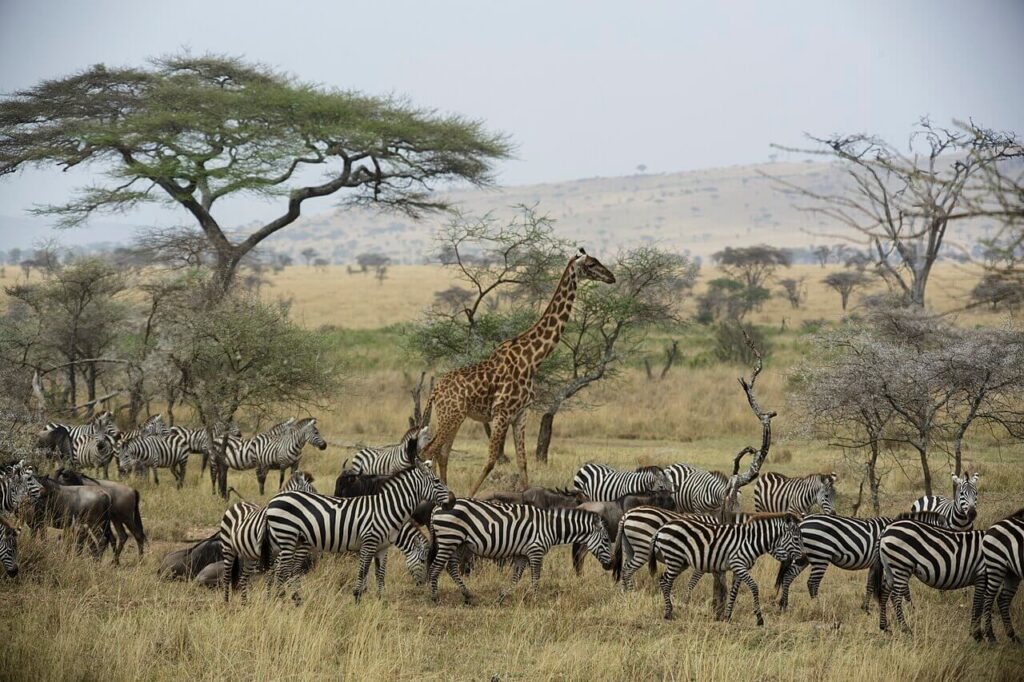
The most famous safari park on earth, with around 1.5 million wildebeest and hundreds of thousands of zebras trailed by the big cats moving through in an endless annual loop,
Ngorongoro Crater
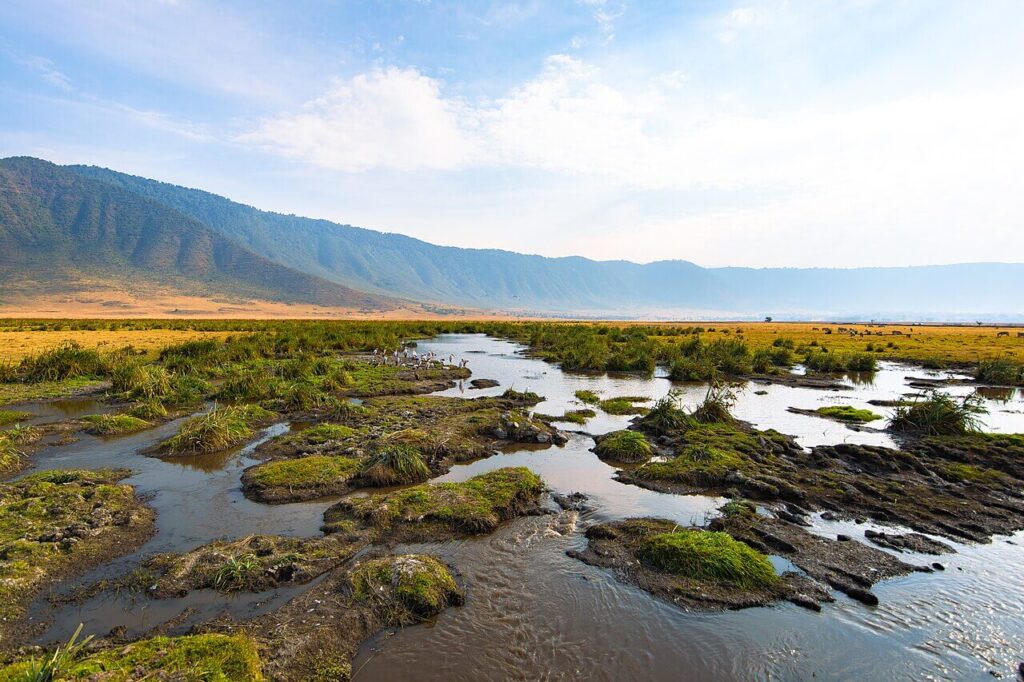
A collapsed volcano forming a natural enclosure with one of Africa’s densest concentrations of wildlife, including some of the continent’s last black rhinos.
Mount Kilimanjaro
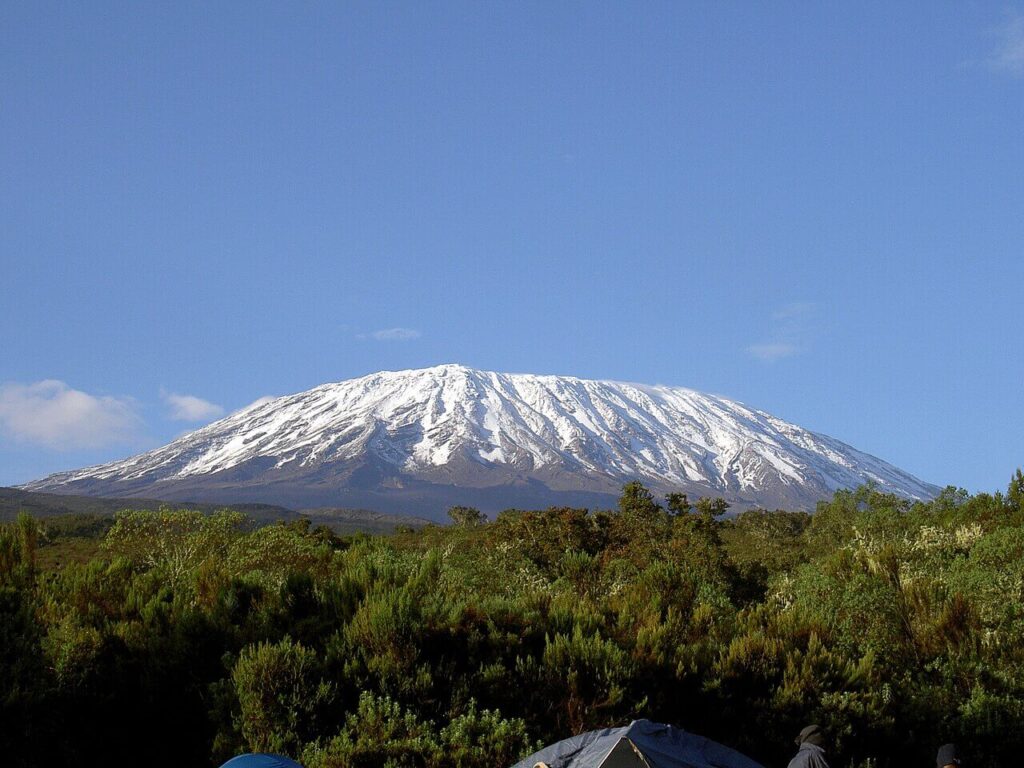
Africa’s highest mountain and the world’s tallest freestanding peak. Routes take 6–9 days and are climbable by trekkers without technical gear.
Zanzibar
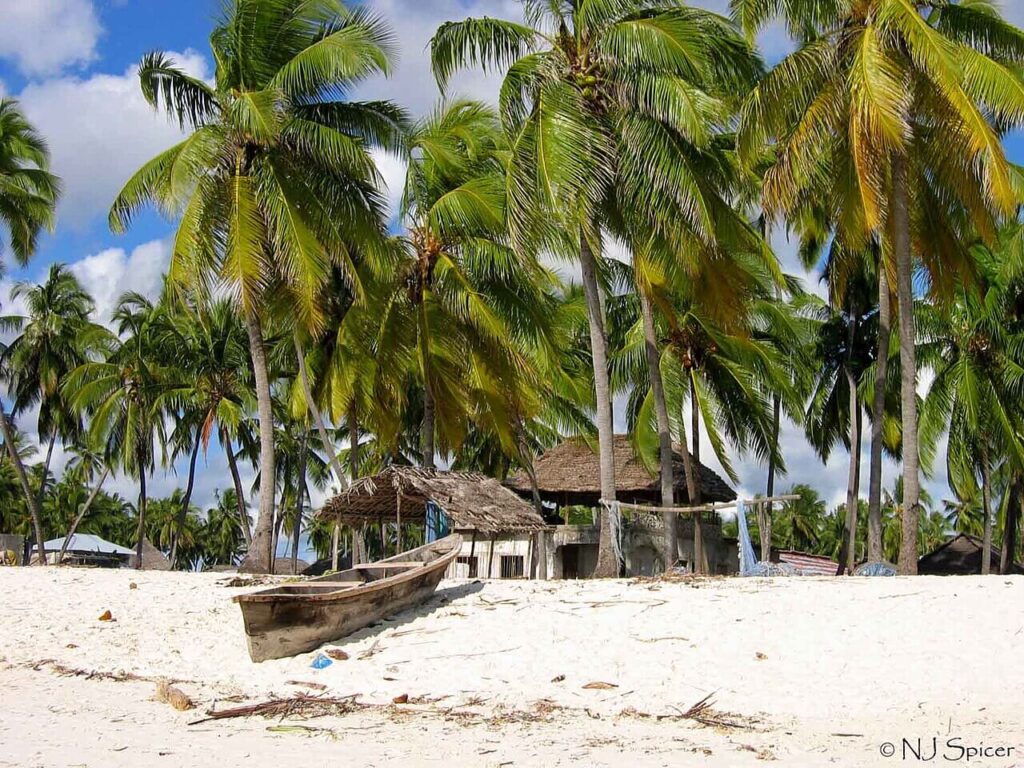
UNESCO-listed Stone Town’s carved doors and spice-trade history, then white-sand beaches ringed by turquoise water.
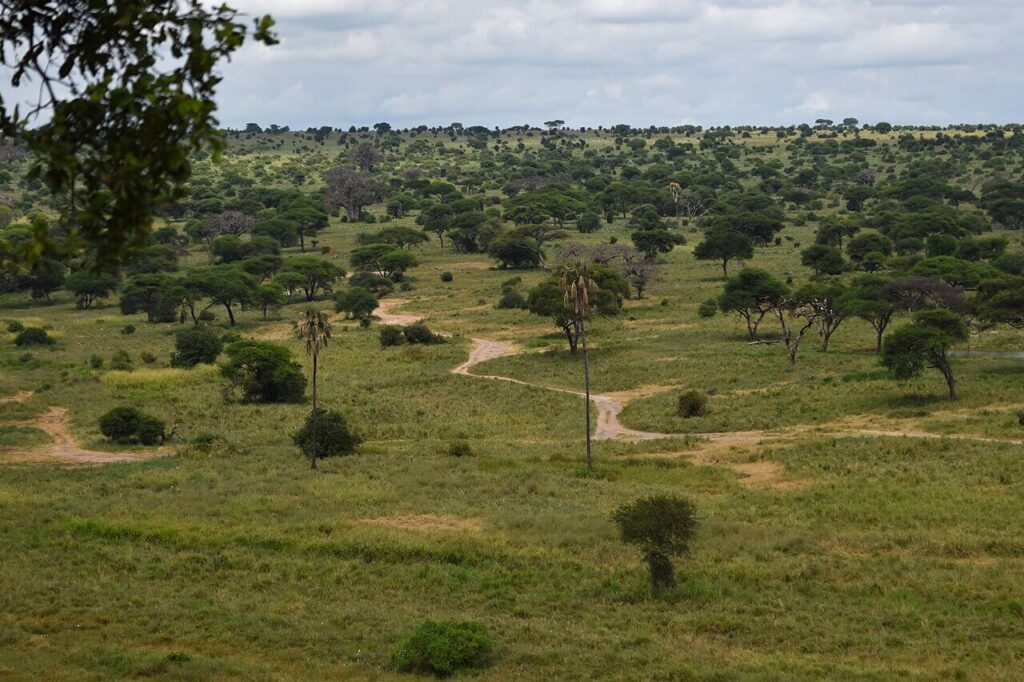
Tarangire National Park
The northern circuit’s underrated opener, famous for huge elephant herds and ancient baobab trees. In the dry season, the Tarangire River pulls in wildlife from across the ecosystem
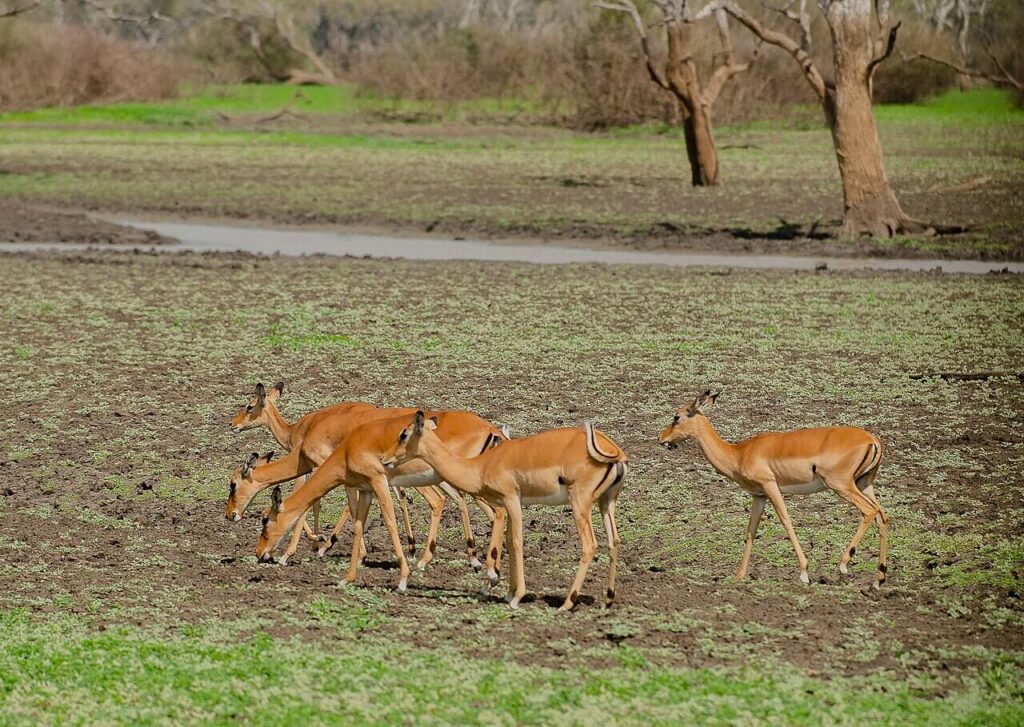
Nyerere National Park
You’ll find hippos, crocs, and wild dogs with barely another vehicle in sight in one of Africa’s largest national parks, carved from the former Selous reserve in the wild south.
Browse all Tanzania attractions
Best time to visit Tanzania
Tanzania runs on dry and wet seasons. And the good news is that the Great Migration never leaves the country: it just moves around the Serengeti in a big annual loop. June to October is the dry-season peak, with thin grass, gathered wildlife, and river crossings in the northern Serengeti from about July. January to February is the smart insider window, when the herds mass in the south for calving season and predator action peaks.
The long rains from March to May are the low season, with some camps closing and the best prices of the year. Park fees and camp rates swing hard between these windows, so timing shapes your budget too.
Is Tanzania safe?
Tanzania is one of Africa’s most politically stable countries, and the safari circuit and Zanzibar are generally trouble-free, well-organised, and used to hosting millions of visitors. The US State Department places Tanzania at Level 2 (“exercise increased caution”), the same tier as France, Spain, and Kenya.
The issues travellers actually encounter are city-level and petty: bag snatching in Dar es Salaam and Arusha, phone grabs near bus stations, and beach touts on Zanzibar. All of these could be managed with normal habits: use taxis or Uber after dark in the cities, keep your phone out of sight on the street, and politely decline the ‘papasi’ beach hustlers with a firm no.
Out in the parks, safety is mostly about wildlife rules, and your guide handles those. On Zanzibar, avoid walking unlit beaches alone at night, and dress modestly in Stone Town out of respect for the local community. Solo travellers, including women, do the safari-and-Zanzibar combination in big numbers every year.
For emergencies, here’s the number you need: 112 (police, ambulance, and fire nationwide). Make sure you save your safari operator’s and hotel’s numbers on arrival, since on the circuit your guide is the fastest route to any kind of help.
Expert travel tips for Tanzania
Apply for your e-visa well ahead
Tanzania wants visitors to use the official e-visa portal (visa.immigration.go.tz): $50 single-entry for UK and EU citizens, and $100 multiple-entry for US citizens, who aren’t offered the cheaper option. Processing can take 1–2 weeks, and the rules on visas on arrival keep changing, so don’t count on one.
Budget park fees separately
They’re why Tanzania safaris cost more than Kenya’s. Expect roughly $70–80 per person per day for the Serengeti plus 18% VAT, a separate vehicle fee to descend into the Ngorongoro Crater, and conservation fees stacking on top of camp rates. A good operator itemises all of it upfront.
Follow the migration
The herds don’t ‘leave for Kenya’: they loop the Serengeti all year. Calving season packs them into the south in January and February, and the famous river crossings happen in the north from about July to October. Pick your camp location by the month you’re travelling.
Bring newer US dollar bills
Safaris, visas, and tips are all paid in US dollars, and banks and operators routinely reject bills older than 2009 or those torn or marked. Bring a stack of clean notes in mixed denominations, and use shillings for small local spending.
Plan for Zanzibar’s insurance rule
Zanzibar requires visitors to hold its mandatory local travel insurance, bought through the official portal for around $44, separate from your own travel policy. It’s checked on arrival, so sort it before you fly. And dress modestly in Stone Town, which is a conservative Muslim community.
Fly the long hops
Arusha to the central Serengeti is a rough 8-hour drive or a 1-hour flight, and the Serengeti to Zanzibar is only practical by air. On a 10–12 day trip, the internal flights buy you whole extra days of actual holiday.
Tip the crew properly
Tipping is a structured part of safari and climbing culture: around $20–30 per day for your safari guide (per group, not per person), a few dollars a day for camp staff via the tip box, and on Kilimanjaro a standard split across guides, cooks, and porters that your operator will spell out.
FAQs

Book your Tanzania trip
Explore the Serengeti’s endless plains, the wildlife-packed Ngorongoro Crater, Africa’s highest mountain, and the spice-scented alleys of Zanzibar.