
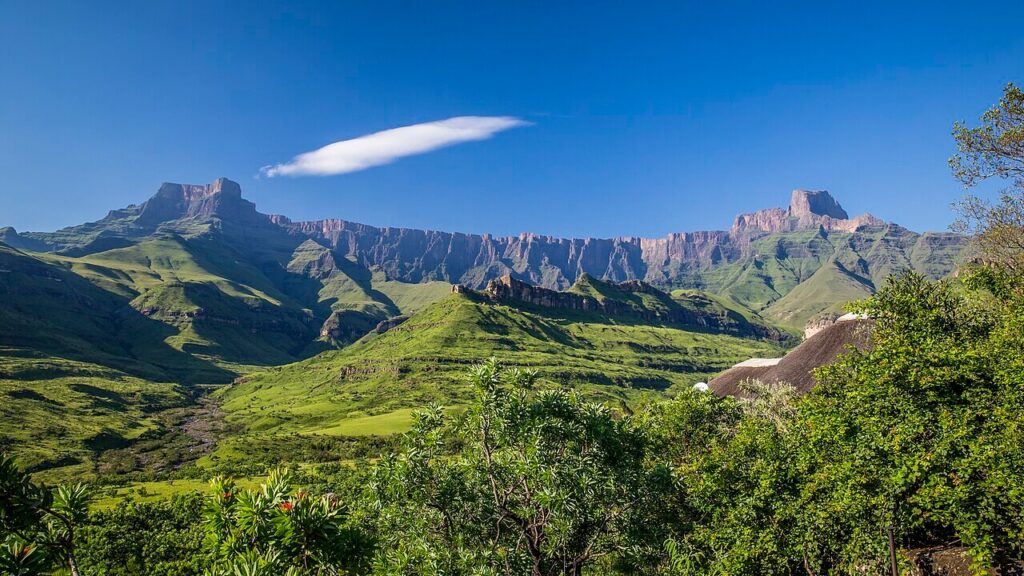
South Africa Travel Guide
Big Five safaris, one of the world’s most beautiful cities, whale coasts, mountain ranges, and wine valleys. South Africa offers the widest range of experiences on the African continent, often within a few hours’ drive of one another.
Why Visit South Africa?
South Africa’s pitch is simple: no other country on the continent gives you this much variety with this little friction. You can hike Table Mountain in the morning and be tasting wine in Stellenbosch by mid-afternoon. You can self-drive a Big Five safari in Kruger National Park, one of the few places in Africa where that’s genuinely doable on your own. Roads are excellent, English is everywhere, and your money goes far.
Travellers have noticed. South Africa welcomed 10.5 million tourists in 2025, up 17.7% on the previous year and above pre-pandemic levels for the first time, according to Statistics South Africa’s Tourism report 2025. ⏱ The World Travel & Tourism Council estimates tourism contributes 8.8% of GDP and supports 1.68 million jobs. ⏱ For visitors, that scale means choice: everything from backpacker hostels and national park rest camps to some of the most celebrated safari lodges and hotels in the world.
Who is South Africa for?
South Africa suits almost everyone, which is rare. First-timers usually combine Cape Town with Kruger, and our 12-day itinerary below shows exactly how. Road-trippers get the Garden Route, families get penguin beaches and malaria-free reserves, foodies get the Winelands, and history-minded travellers get Robben Island and Soweto.
Safety questions are fair, and we answer them honestly in the safety section below. Start with the essential destinations, then use the seasonal guide, because timing here depends on which side of the country you’re heading to.
Quick facts
| Capital | Pretoria |
| Time zone | UTC+2 (South Africa Standard Time), no daylight saving |
| Currency | South African rand (ZAR) |
| Visa (US/UK/EU) | Visa-free up to 90 days for US, UK, and most EU citizens |
| Region | South Africa |
| Best months | May–September for Kruger safaris; November–March for Cape Town; September–October is the best all-round window |
South Africa’s essential destinations
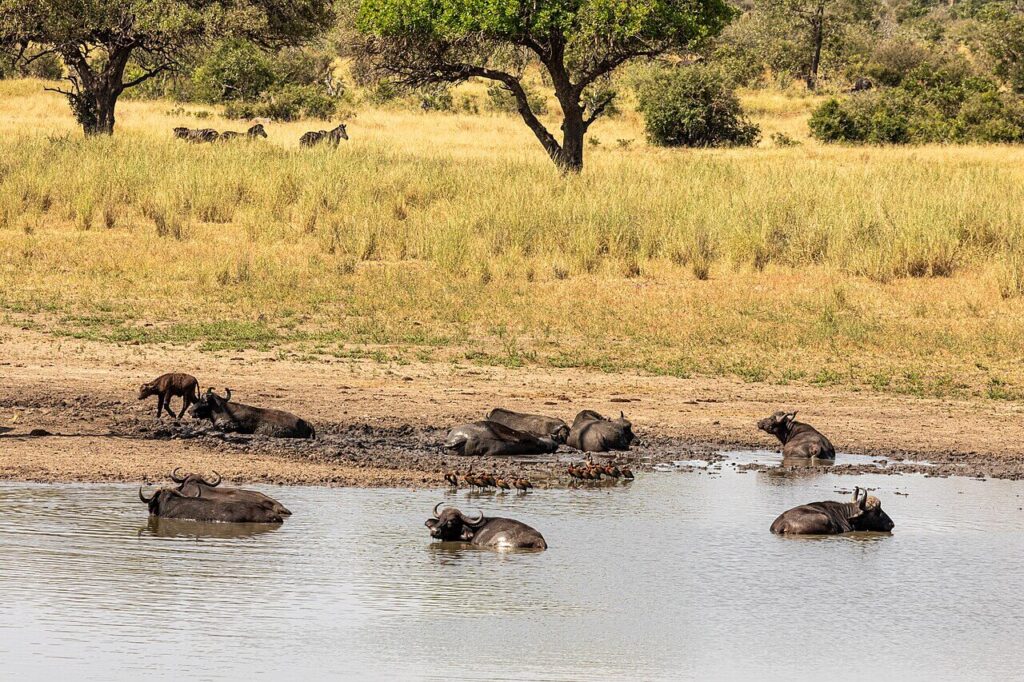
Kruger National Park
One of Africa’s greatest safari parks, home to all the Big Five. What makes Kruger special is you can self-drive on tarred roads and sleep in affordable rest camps.
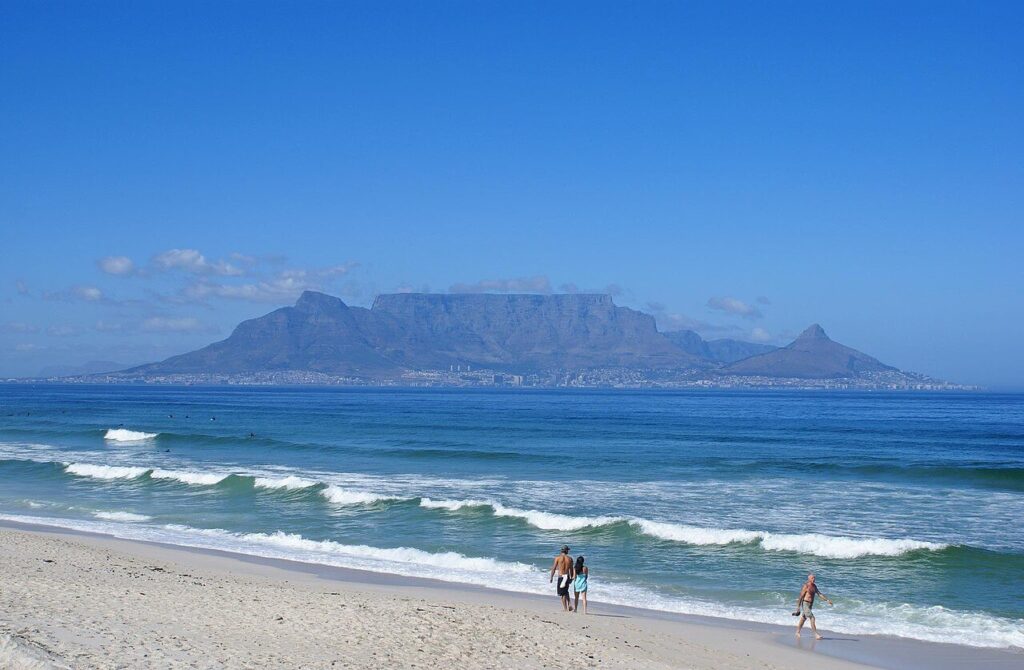
Table Mountain
Cape Town’s flat-topped icon, rising straight out of the city and listed among the New7Wonders of Nature.
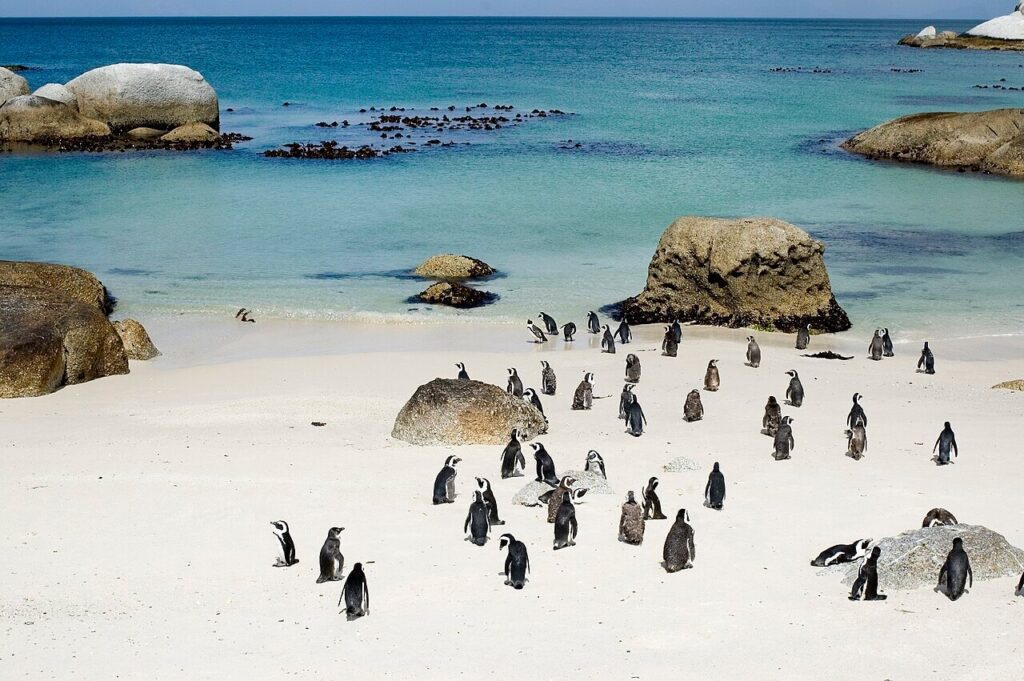
Cape Peninsula & Boulders Beach
Chapman’s Peak Drive carved into the cliffs, the lighthouse and lookout at Cape Point, and the African penguin colony waddling around Boulders Beach.
Garden Route
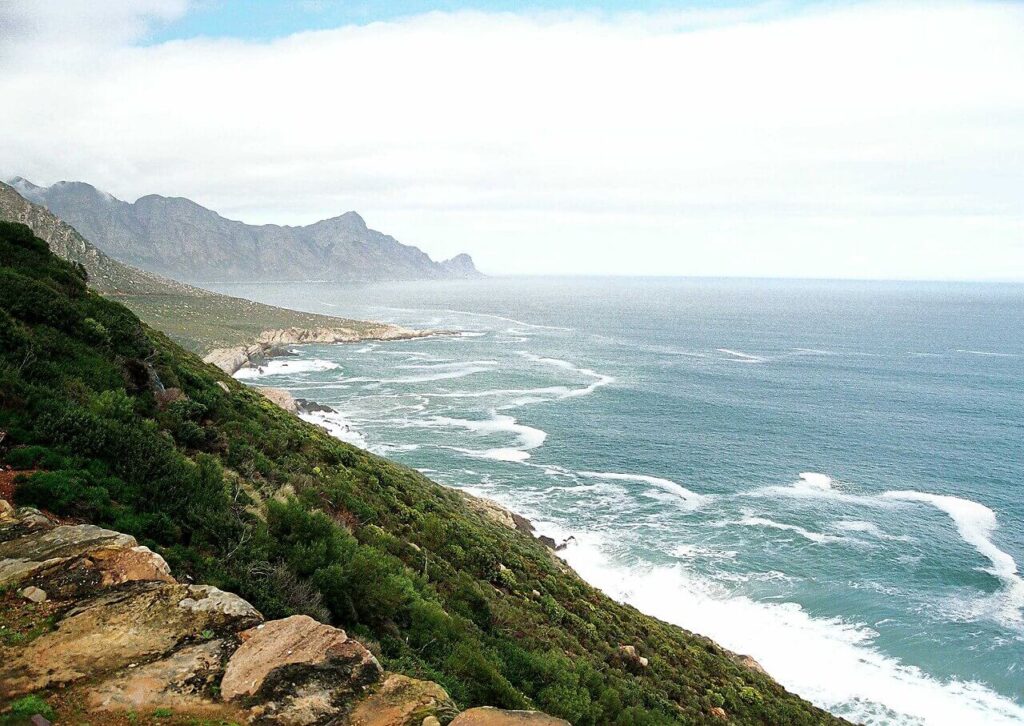
A coastal drive between Mossel Bay and Storms River, threading forests, lagoons, and beach towns like Knysna and Plettenberg Bay.
Robben Island
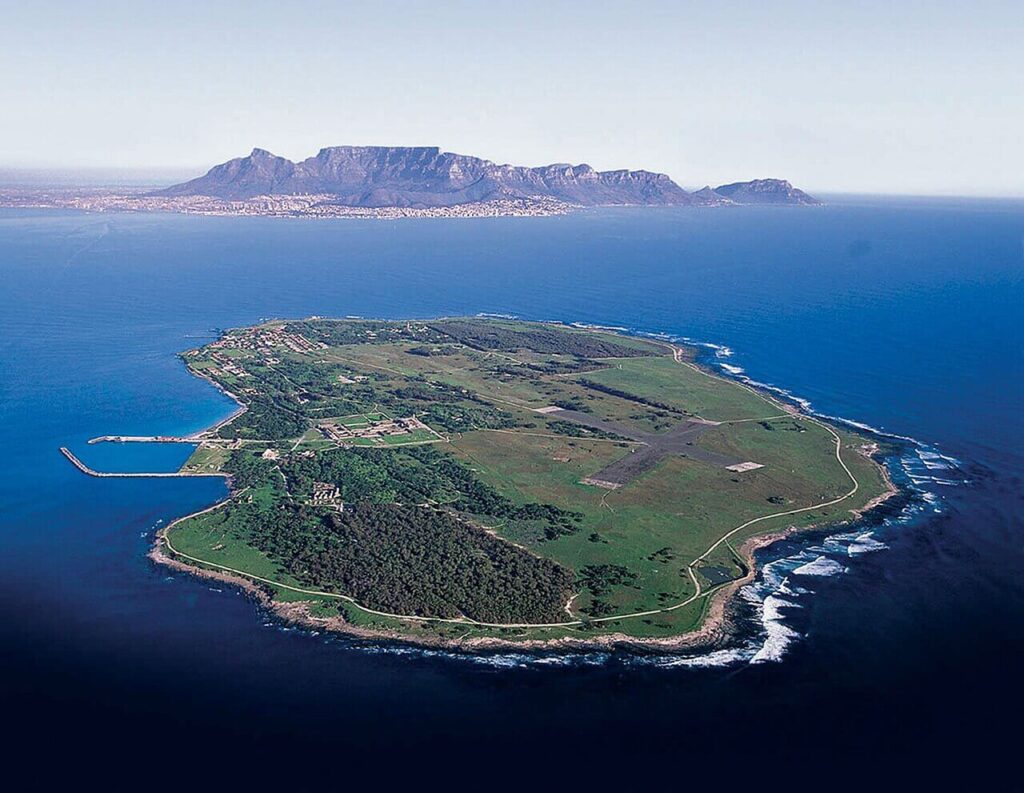
UNESCO-listed island prison where Nelson Mandela spent 18 of his 27 years behind bars.
Drakensberg Mountains
South Africa’s highest mountain range, a UNESCO site with basalt walls rising, ancient San rock art, and some of the country’s best hiking.
Browse all South Africa attractions
Best time to visit South Africa
Here’s the thing that trips people up: South Africa’s seasons are opposite to Europe and North America, and the best time depends on which side of the country you’re visiting. Winter (June to August) is dry season in Kruger and the best game viewing of the year, but it’s Cape Town’s rainy season.
Summer (November to March) is beach and city season in the Cape, but hot, wet, and thick with vegetation in the safari parks. If you’re combining both, which most first-timers do, the shoulder months of September–October and April–May are the sweet spot. Full month-by-month detail in our guide (/south-africa/best-time-to-visit/).
Is South Africa safe?
Let’s answer this honestly, because South Africa’s crime statistics are real and the question deserves a straight answer. The country has high crime rates nationally, but crime is heavily concentrated in areas tourists never visit, and the places on your itinerary run on tourism and are policed accordingly. The US State Department places South Africa at Level 2 (“exercise increased caution”), the same tier as France, Spain, and Morocco. ⏱
What visitors actually deal with is opportunistic: phone snatching, car break-ins when valuables are left visible, and occasional ATM scams. All of these could be managed with consistent habits rather than fear: use Uber instead of walking after dark, keep your phone away on the street, park in secure lots, and don’t leave anything on car seats.
It’s also worth saying that big parts of a typical trip feel completely relaxed. Kruger, the Garden Route, the Winelands, and small towns like Franschhoek or Knysna operate at a totally different tempo from central Johannesburg. Millions of visitors, including solo women, travel South Africa every year without incident. Our dedicated guide covers area-by-area detail (/south-africa/is-south-africa-safe/).
For emergencies, here are the numbers you need: 10111 (police), 10177 (ambulance), or 112 from any mobile. Make sure you save your guesthouse’s number on arrival, as hosts are the best source of current local advice.
Expert travel tips for South Africa
Rent a car and drive
This is the single biggest upgrade to a South Africa trip. Distances are big, but roads are excellent, you drive on the left, and automatic cars are widely available. Just don’t leave anything visible in a parked car, and use secure parking at night.
Go card-first, but keep coins for car guards
Tap-to-pay works almost everywhere, including markets and small cafes. Keep some rand coins and small notes for tips and for car guards, the informal attendants who watch parked cars. R5–10 (about $0.30–0.60) is the going rate.
Book Table Mountain and Robben Island ahead
Robben Island ferries sell out days in advance and get cancelled in rough weather, so book early in your Cape Town stay to leave a backup day. For Table Mountain, buy cableway tickets online and go in the morning before the cloud rolls in.
Reserve Kruger accommodation months out
The national park rest camps are fantastic value, but book up far in advance for the June–August dry season and South African school holidays. Reserve through the official SANParks site, and note that camp gates close at set times you must respect.
Build city smarts into your routine
The safety rules are simple and worth following: don’t walk with your phone out in city centres, use Uber after dark, keep valuables out of sight, and ask your guesthouse which areas to avoid. Tourist areas are well patrolled, and millions of visitors have uneventful trips.
Check the malaria map before you book
Most of South Africa is malaria-free, including Cape Town, the Garden Route, and the Drakensberg. Kruger and the far lowveld are seasonal risk areas, roughly October to May, so speak to a travel clinic. Malaria-free Big Five reserves like Madikwe and Pilanesberg exist if you’d rather skip prophylaxis.
Tip 10–15% in restaurants
Service staff rely on tips; 10% is standard, with 15% for good service. Petrol attendants who wash your windscreen earn R5–10, and safari guides expect around R150–300 (about $8–17) per guest per day.
FAQs

Book your South Africa trip
Explore the Big Five safaris, whale coasts, mountain ranges, wine valleys and one of the world’s most beautiful cities.