
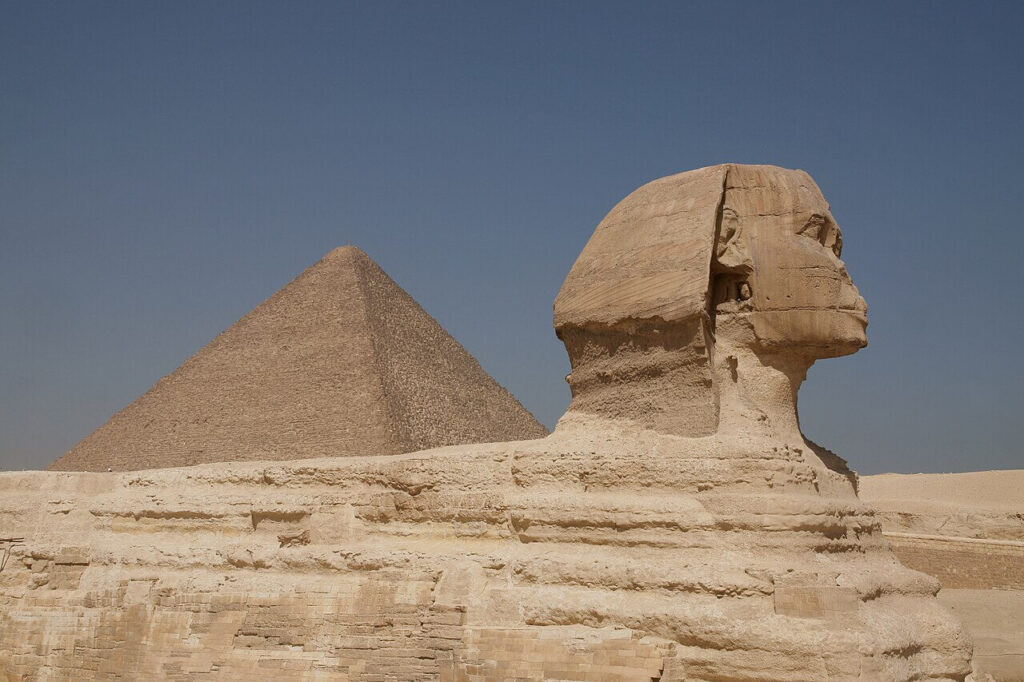
Egypt Travel Guide
The Pyramids at Giza, tombs in the Valley of the Kings, a slow boat down the Nile, and coral reefs in the Red Sea. Egypt has been hosting travellers for about 3,000 years, and it has honestly never been better set up for a visit than right now.
Why Visit Egypt?
Nowhere else on earth lets you stand inside 5,000 years of history before lunch and snorkel a coral reef the next day. Egypt’s headline sites, the Pyramids of Giza, Luxor’s temples and tombs, and Abu Simbel, would each anchor a whole country’s tourism on their own. Here they’re connected by cheap internal flights, sleeper trains, and the world’s most famous river, with the Red Sea’s year-round diving waiting at the end.
Egypt is on a genuine roll right now. The country welcomed a record 19 million visitors in 2025, up 21% on the previous year, according to the Ministry of Tourism and Antiquities. A big part of that is the Grand Egyptian Museum, which fully opened next to the Giza plateau in November 2025 and now houses the complete Tutankhamun collection for the first time. Add a weak Egyptian pound, and your money goes remarkably far: Egypt is currently one of the cheapest world-class destinations anywhere.
Who is Egypt for?
Egypt suits more trip styles than its temple-heavy reputation suggests. History lovers get the obvious feast, and our 12-day itinerary below links the classics without backtracking. Families do well on Nile cruises, where the boat handles all the logistics. Divers rate the Red Sea among the best value in the world, and beach-first travellers can skip the temples entirely for Dahab or Sharm El Sheikh.
We answer the safety and hassle questions honestly in the safety section below. Start with the essential destinations, then check the seasonal guide, because timing matters more here than almost anywhere.
Quick facts
| Capital | Cairo |
| Time zone | UTC+2, moving to UTC+3 in summer as Egypt uses daylight saving |
| Currency | Egyptian pound (EGP) |
| Visa (US/UK/EU) | $25 e-visa online, or visa on arrival for 30 days |
| Region | North Africa |
| Best months | October–April (peak season December–January) |
Egypt’s essential destinations
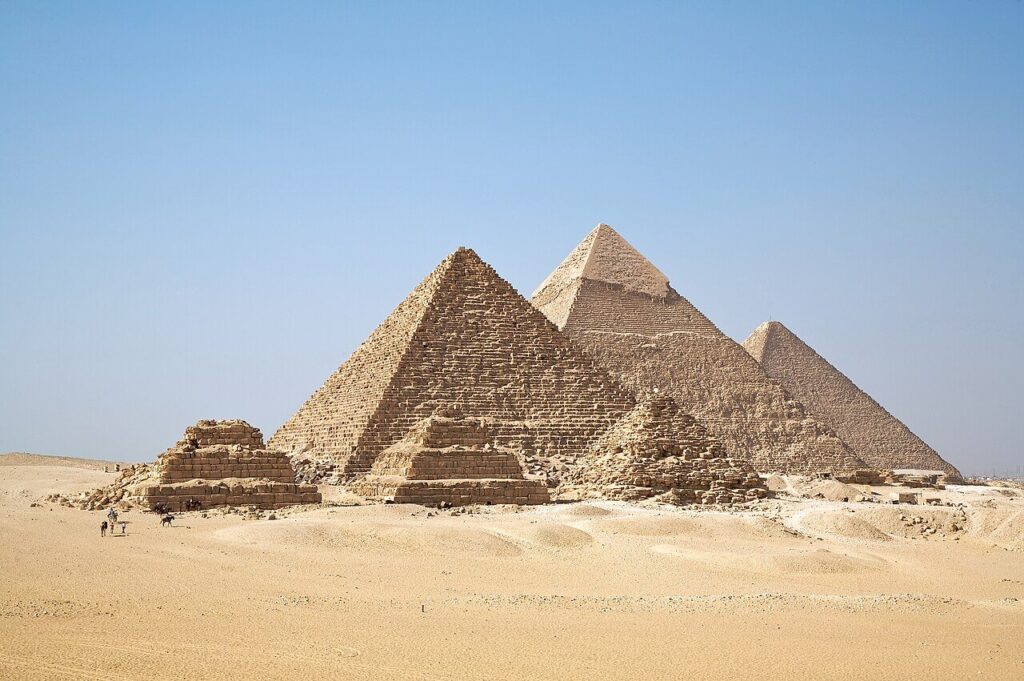
Pyramids of Giza
The Great Pyramid of Khufu has stood for about 4,500 years and is the last surviving wonder of the ancient world.
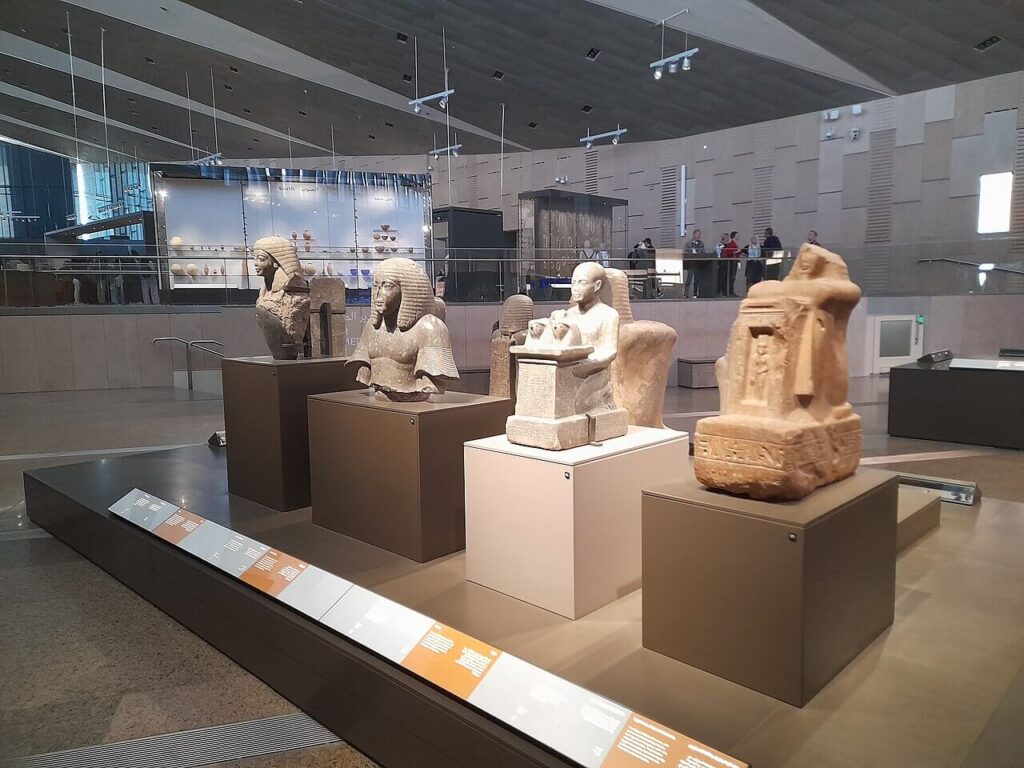
Grand Egyptian Museum
World’s largest archaeological museum located beside the Giza plateau with complete Tutankhamun collection on display here.
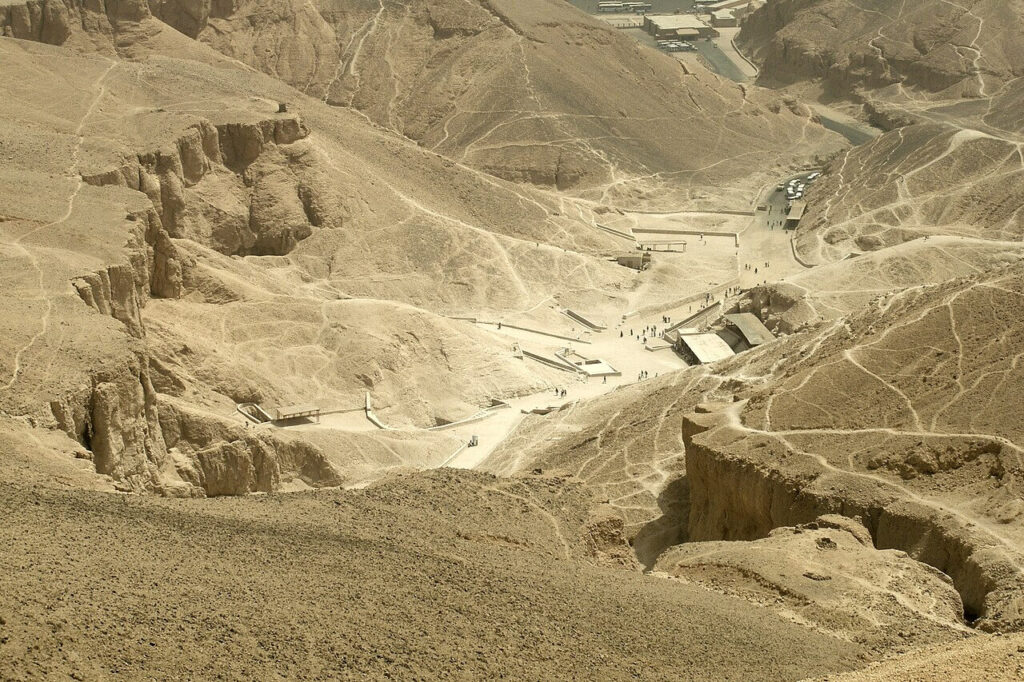
Valley of the Kings, Luxor
The royal burial ground of the New Kingdom, with more than 60 tombs cut into the desert hills, their colours still vivid after 3,000 years.
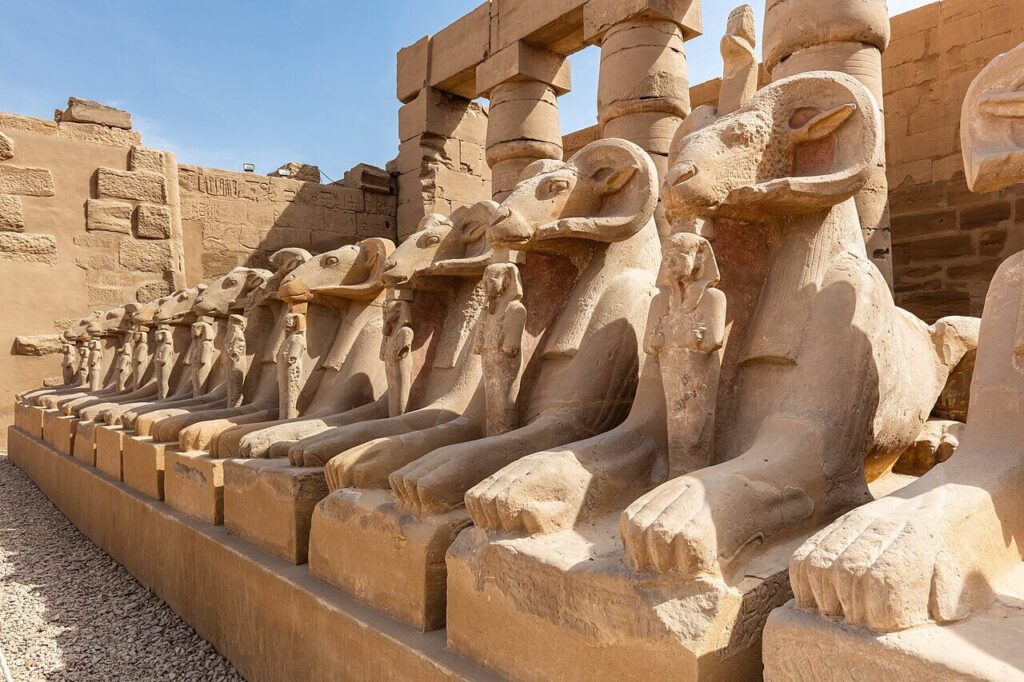
Karnak Temple
The largest religious complex of the ancient world, built over some 2,000 years and displaying the Great Hypostyle Hall’s 134 giant columns.
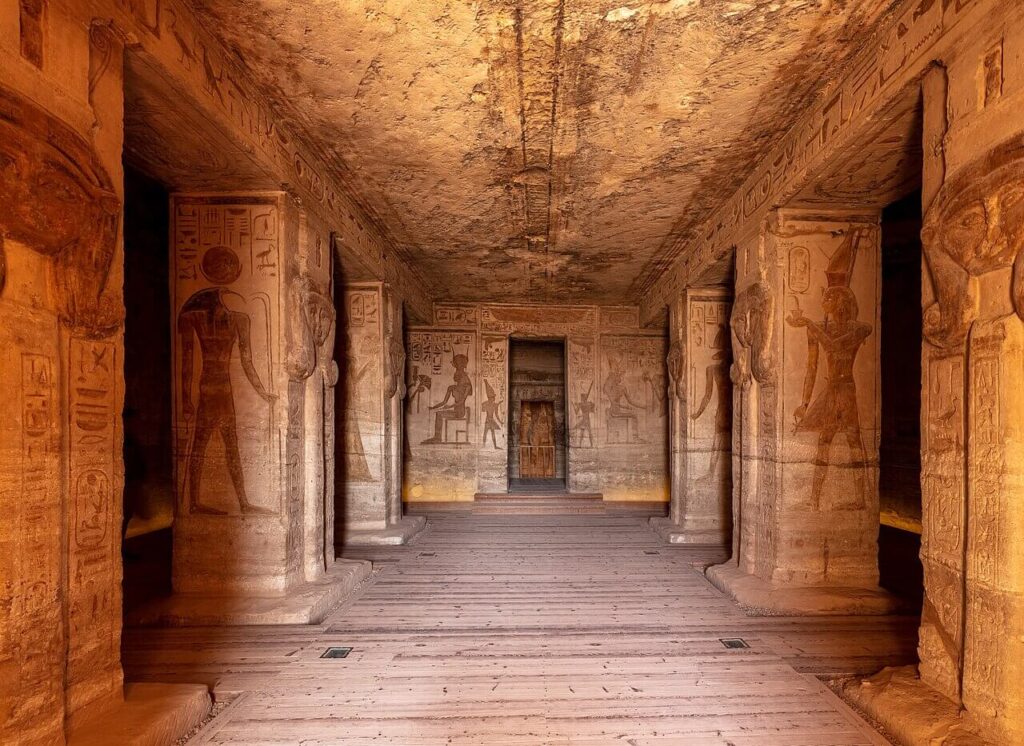
Abu Simbel
Ramses II’s colossal rock temples carved in the 13th century BCE and moved block by block to escape the rising waters of Lake Nasser.
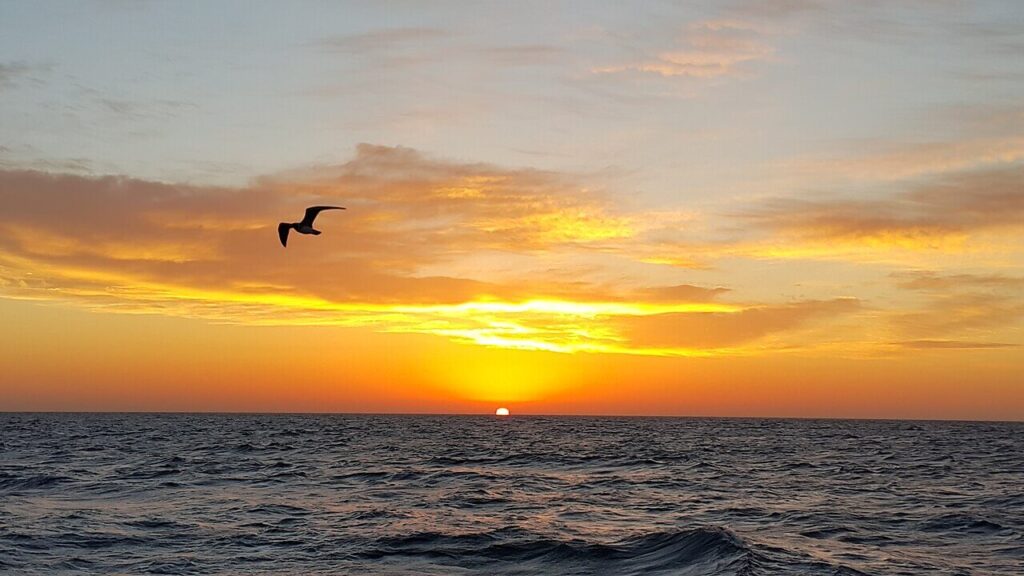
Red Sea Riviera
Some of the world’s best-value diving and snorkelling, on reefs that stay warm and clear year-round.
Browse all Egypt attractions
Best time to visit Egypt
Egypt has one golden rule: October to April is the season, and the summer months are seriously hot in the south. Winter (December to January) brings perfect sightseeing weather and peak crowds at the big sites, so shoulder months like October, November, March, and April are the sweet spot for the classic Cairo-to-Luxor route.
From May to September, Luxor and Aswan regularly pass 40°C (104°F), which turns tomb visits into endurance events, though the Red Sea coast stays pleasant all year. One more planning note: Ramadan shifts by about 11 days each year and changes opening hours and restaurant rhythms, so check the dates against your trip. Full month-by-month detail in our guide.
Is Egypt safe?
Egypt’s tourist economy is enormous and heavily protected, and the main sites, Nile cities, and Red Sea resorts see millions of visitors a year without incident. The US State Department places Egypt at Level 2 (“exercise increased caution”), with its stronger warnings applying to specific areas like North Sinai and remote desert zones that are nowhere near the tourist routes.
What you’ll actually deal with is hassle rather than danger: persistent vendors, unofficial “guides” who attach themselves at sites, inflated taxi quotes, and the occasional souvenir-shop detour. All of these could be managed with a firm, smiling “la, shukran” (translates to ‘no, thank you’) and by arranging drivers through your hotel or the apps.
There’s a caveat though. Women travellers, particularly solo, report more verbal street harassment in Egypt than in most destinations, mostly in cities and mostly verbal.
Dressing modestly, mirroring how local women navigate public space, and using Uber instead of walking at night all reduce it significantly. Plenty of women travel Egypt solo every year; our dedicated guide covers tactics in detail. For emergencies, here are the numbers you need: 122 (police), 123 (ambulance), and 126 (tourist police, who exist specifically to help visitors). Make sure you save your hotel’s number on arrival, as staff are the fastest fixers in the country.
Expert travel tips for Egypt
Sort your visa before you fly
US, UK, and EU citizens can get a $25 e-visa online or a visa on arrival for 30 days. The e-visa saves you the airport queue, and if you do the visa on arrival, bring $25 in cash for the bank kiosks before immigration.
Learn the baksheesh system early
Small tips smooth everything in Egypt: a few pounds for the washroom attendant, 10–20 EGP for someone who helps with bags, more for guards who unlock something special. Keep a pocket of small notes and treat it as part of the culture, not a scam.
Book the Grand Egyptian Museum online
GEM tickets sell in timed slots and the popular times go fast, so book on the official site a few days ahead. Go early or late in the day, give the Tutankhamun galleries at least two hours, and don’t try to combine it with the Pyramids in one exhausting day.
Use Uber or Careem in Cairo
Street taxis mean fare negotiations you will usually lose. The apps are cheap, metered, and everywhere in Cairo and Alexandria. For Luxor and Aswan, agree prices upfront or let your hotel arrange drivers.
Dress modestly and carry a scarf
Shoulders and knees covered is the practical standard away from resort areas, and it noticeably reduces hassle. Women need a headscarf for mosque visits. Light, loose cotton beats shorts for the heat anyway.
Start your site days at dawn
The big sites open early, and the first two hours beat the heat, the crowds, and the harsh light all at once. This matters most in Luxor, where afternoon temple visits from May to September are genuinely brutal.
Hire an Egyptologist guide for Luxor
Egypt’s licensed guides are trained Egyptologists, and the difference between wandering Karnak alone and walking it with someone who reads the walls is enormous. A private guide day costs less here than almost anywhere in the world. Stick to bottled water throughout your trip.
FAQs

Book your Egypt trip
Visit The Pyramids at Giza, tombs in the Valley of the Kings, a slow boat down the Nile, and coral reefs in the Red Sea.