
Rwanda Travel Guide
Experience an hour face-to-face with mountain gorillas in the misty Virungas, chimpanzees calling through ancient rainforest, Big Five game drives in the east, and a capital city known for being clean and calm. Rwanda is small, but it packs a lot of wild into every day.
Why Visit Rwanda?
Here’s the big draw: Rwanda is one of only three countries where you can trek to see wild mountain gorillas, and it’s by far the easiest to reach. From Kigali’s airport you can be at the edge of Volcanoes National Park in about two to three hours, and an hour sitting quietly near a gorilla family is the kind of travel moment people talk about for years. Add chimpanzee tracking in Nyungwe’s rainforest, lions and rhinos in Akagera, and short distances on good paved roads, and you can see a remarkable amount in a week. The whole country is a little smaller than Belgium, so you’ll spend more time on trails and less time in the car.
The numbers back up the buzz. Rwanda welcomed 1.49 million visitors in 2025, up 9% on the year before, and tourism revenue rose 6% to $685 million, according to the Rwanda Development Board’s 2025 results. ⏱ The country built its reputation on high-value, low-impact tourism: gorilla permits are expensive on purpose, and that money funds conservation and the communities living around the parks. Mountain gorilla numbers in the Virunga range have been climbing for decades, which makes Rwanda one of conservation’s real success stories. Kigali has also become one of Africa’s busiest conference cities, which is a big reason flight links and hotel standards have improved so quickly.
Who is Rwanda for?
Rwanda suits travellers who want a short, high-impact trip, honeymooners pairing gorillas with rainforest or lake time, and anyone keen to understand modern African history. The Kigali Genocide Memorial is an essential, moving visit that explains how far the country has come since 1994.
Our 12-day itinerary below links all three national parks. Before you book, please read the safety section, which honestly covers the current health advisory. Then start with the essential destinations and check the seasonal guide.
Quick facts
| Capital | Kigali |
| Time zone | UTC+2 (Central Africa Time), no daylight saving |
| Currency | Rwandan franc (RWF) |
| Visa (US/UK/EU) | Visa on arrival for everyone. Free for 30 days for UK, Commonwealth, Francophonie, and African Union citizens; US and other passports pay $50 |
| Region | East Africa |
| Best months | June–September and December–February (the two dry seasons) |
Rwanda’s essential destinations
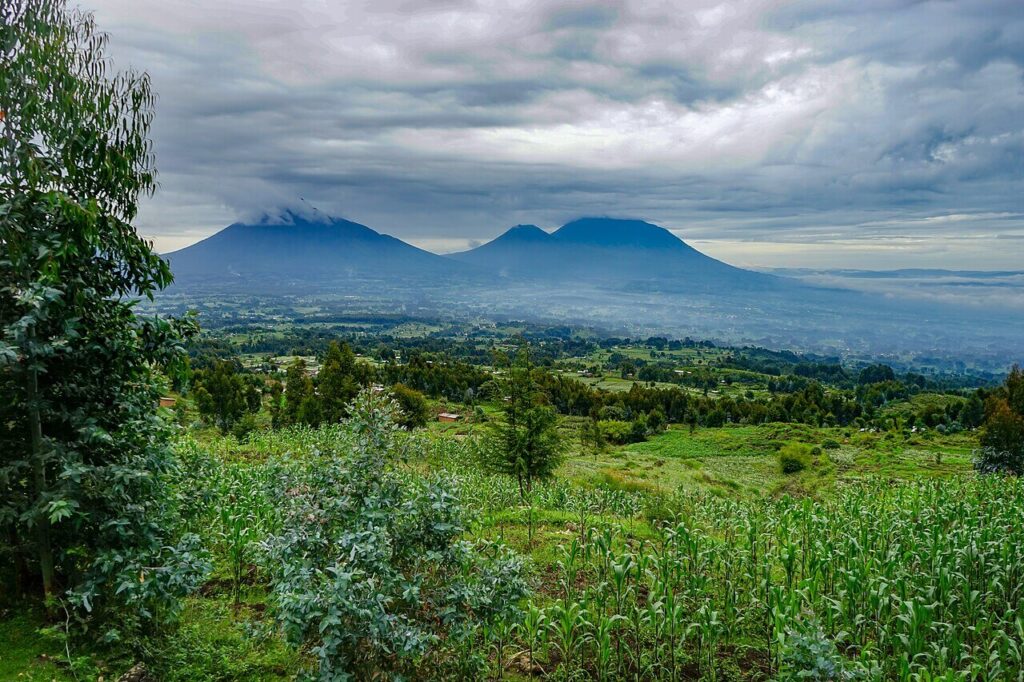
Volcanoes National Park
Groups of up to eight trek through bamboo and cloud forest to spend one hour with a habituated mountain gorilla family.
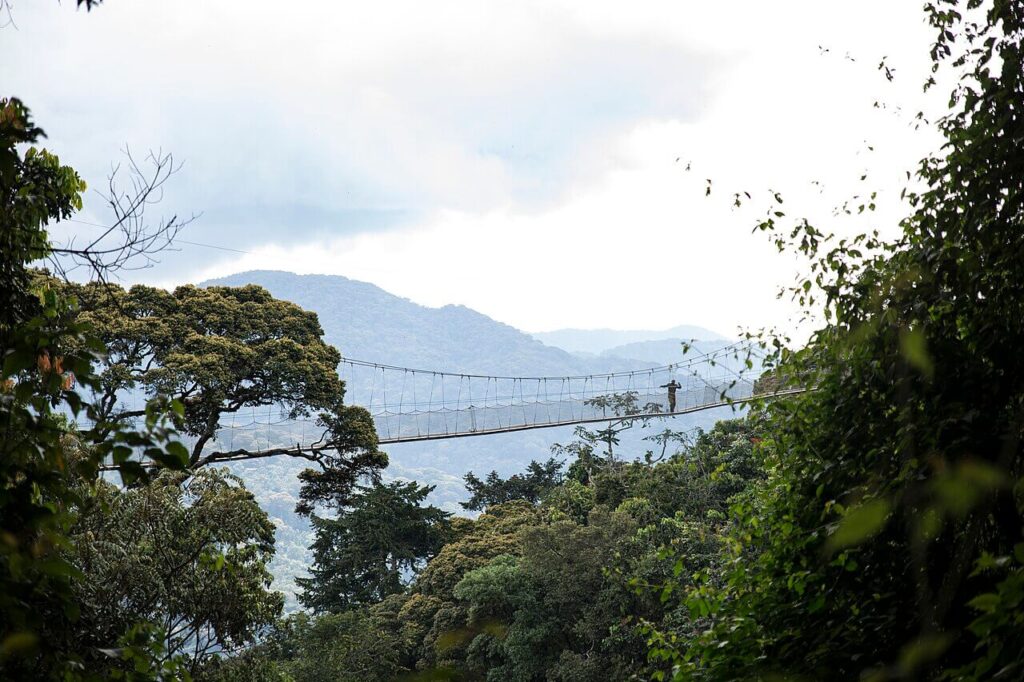
Nyungwe National Park
UNESCO-listed mountain rainforest with Chimpanzee tracking alongside 13 primate species and a canopy walkway suspended above the forest floor.
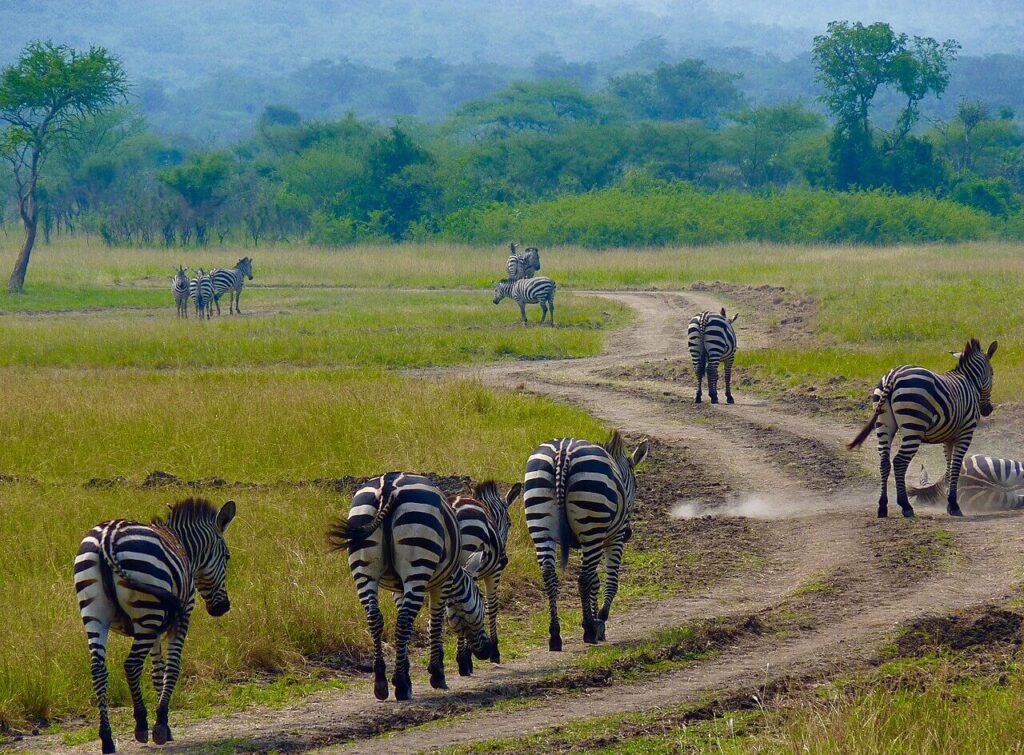
Akagera National Park
Rwanda’s Big Five savannah park on the Tanzanian border for game drives past lions, rhino, lakes papyrus swamps and boat safari among hippos and crocs.
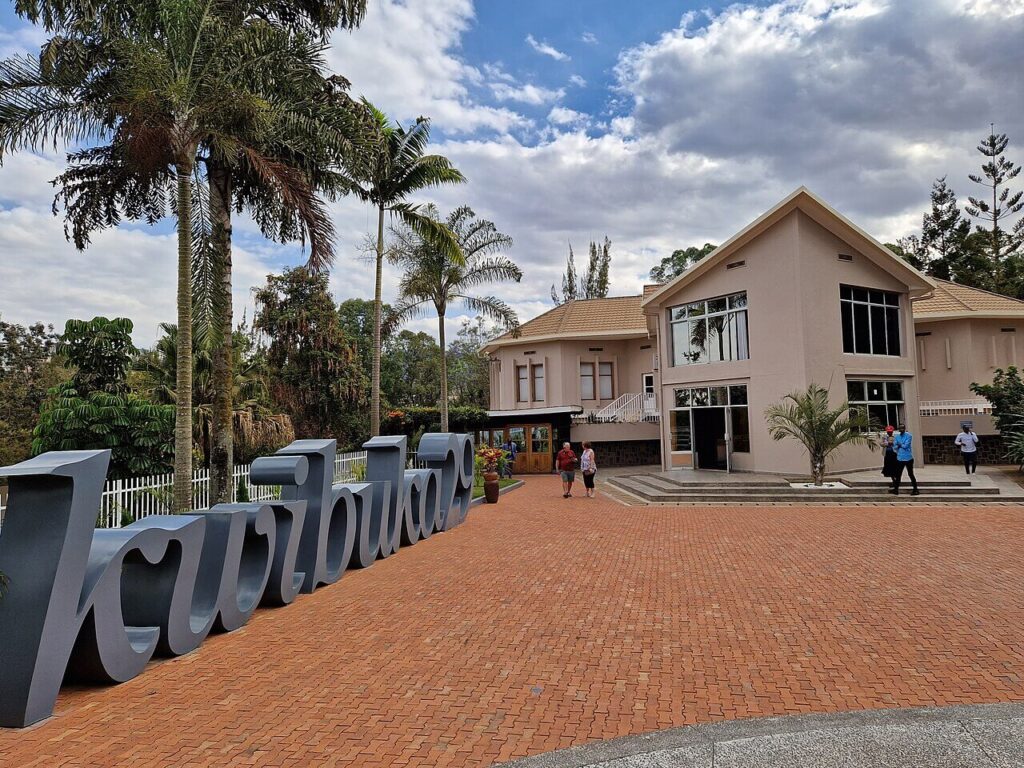
Kigali Genocide Memorial
UNESCO-listed memorial site to understand the 1994 genocide in which an estimated one million people were killed, and how the country rebuilt itself afterwards.
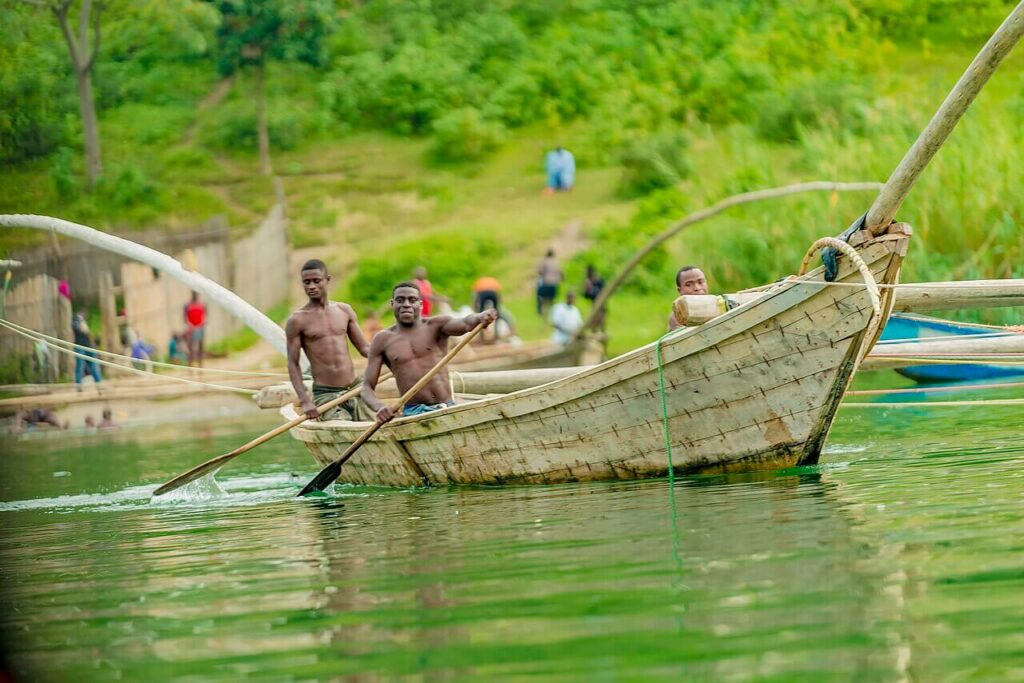
Lake Kivu
One of Africa’s Great Lakes with steep green hills and a slow beach-town pace suited for kayaking, boat trips, and swimming.
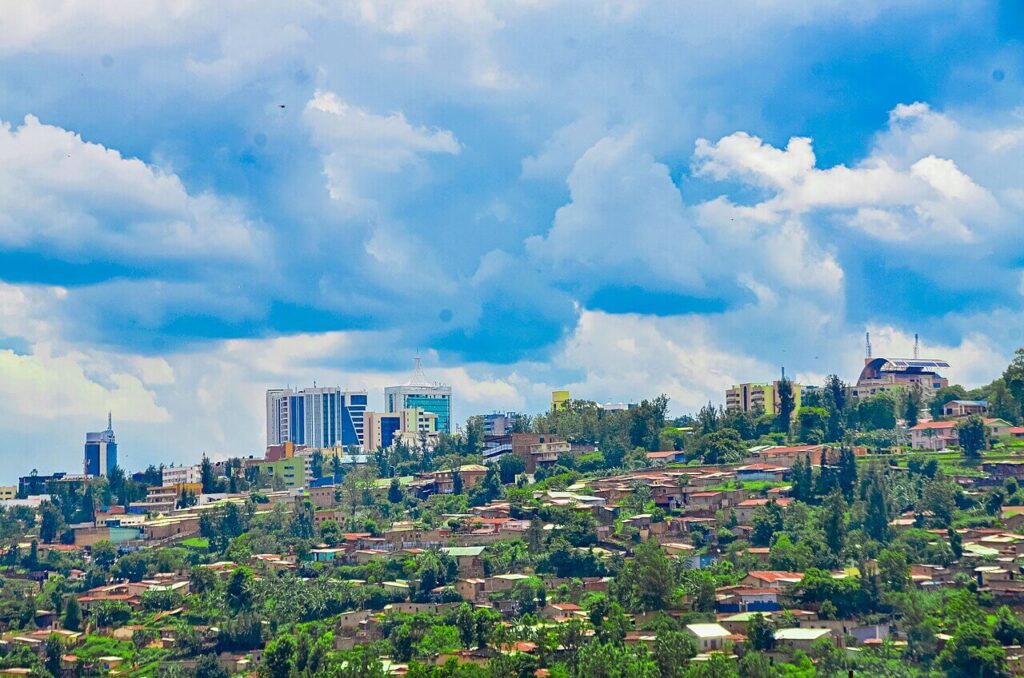
Kigali City
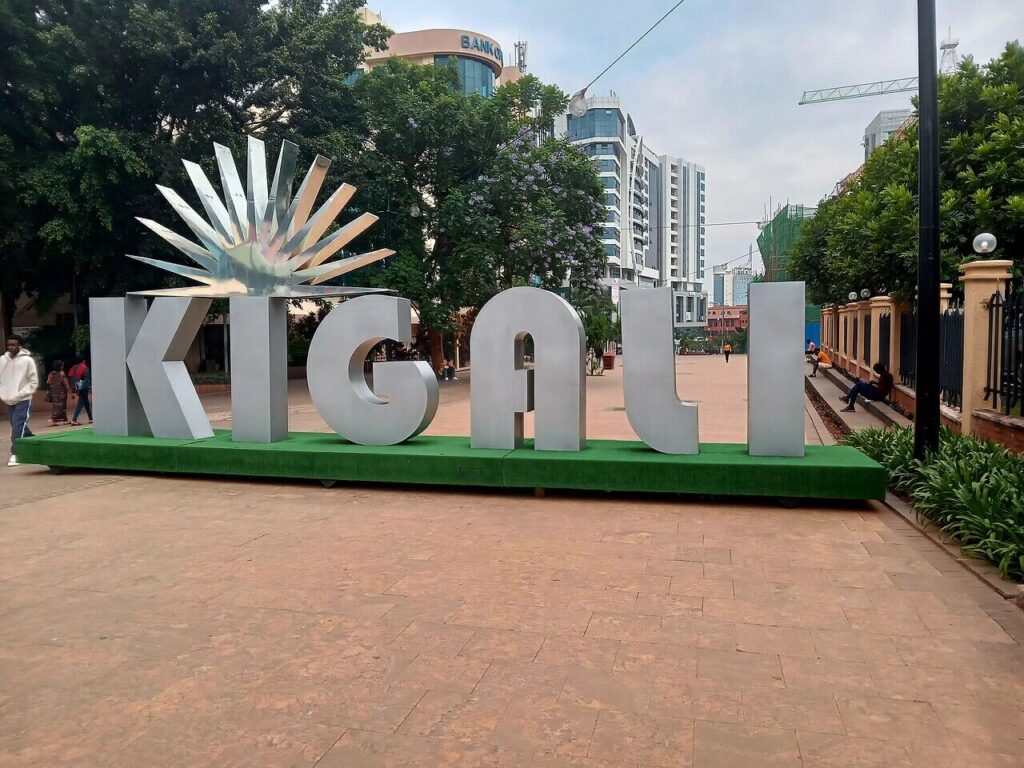
Kigali is clean, green, and easy to get around. Explore the cafes, craft studios, busy Kimironko Market, and city views from Mount Kigali.
Browse all Rwanda attractions
Best time to visit Rwanda
Rwanda sits just south of the equator and at altitude, so it’s mild all year, with daytime highs usually around 25°C (77°F) in Kigali. The seasons are about rain, not heat. The long dry season from June to September is the most popular time for gorilla trekking, since trails are firmer and drier, and December to February is a shorter dry spell that’s just as good.
The long rains from March to May and the shorter rains in October and November make trails muddy, but forests are lush, crowds thin out, and gorilla trekking runs every day of the year. Temperatures drop noticeably in the mountains, so even in the dry season, gorilla mornings in the Virungas can be chilly and damp. Full month-by-month detail in our guide (/rwanda/best-time-to-visit/).
Is Rwanda safe?
Rwanda has a well-earned reputation as one of the most orderly, low-crime countries in Africa, and Kigali feels calm and easy to walk around. Right now, though, there’s an important caveat you need to know about. The US State Department raised Rwanda to Level 3 (“reconsider travel”) in May 2026, mainly because of an Ebola outbreak in neighbouring DRC and Uganda, and it advises against any travel within 10 km (6 mi) of the DRC border. ⏱
That said, the Rwanda Development Board reported no Ebola cases inside Rwanda as of late May 2026, and national parks, hotels, and tour operators have stayed open, with extra health screening at Kigali airport. ⏱ Volcanoes National Park, Musanze, and the Kinigi park headquarters all sit outside the border zone. Visitors who’ve been in the DRC in the past 30 days are currently refused entry. Read the latest advice from your own government before booking, and buy travel insurance that covers cancellations.
Day to day, the issues travellers actually run into are minor: pickpocketing in crowded markets and occasional petty theft in Kigali. All of these could be managed with normal city awareness and by using licensed taxis or moto riders. Solo travellers, including women, generally find Rwanda one of the region’s most comfortable countries to explore. Our dedicated safety guide covers the health situation in more detail (/rwanda/is-rwanda-safe/).
For emergencies, here are the numbers you need: 112 (police and emergencies), 912 (ambulance). Make sure you save your driver-guide’s and lodge’s numbers on arrival, as they’re usually the fastest way to sort anything out.
Expert travel tips for Rwanda
Book your gorilla permit first
Permits cost $1,500 per person for international visitors, sell out months ahead for June to September, and are booked through the Rwanda Development Board or a licensed operator. Build the rest of your trip around your permit date, and remember the minimum trekking age is 15.
Check the entry rules before you fly
Everyone can get a visa on arrival. UK, Commonwealth, Francophonie, and African Union citizens get 30 days free, while US and other passport holders pay $50. Because of the Ebola outbreak in neighbouring DRC, travellers who’ve been there in the past 30 days are currently refused entry.
Leave plastic bags at home
Rwanda banned plastic bags back in 2008, and they can be confiscated at the airport. Pack shopping and laundry items in fabric or paper bags instead. It’s one reason the streets look so tidy.
Plan around Umuganda
On the last Saturday of every month, the country takes part in Umuganda, a community work morning, usually from about 8 to 11 a.m. Traffic and many businesses pause, so avoid scheduling airport runs or long drives then. If you must travel, carry your flight or permit details.
Hire a porter on your trek
Porters cost around $10–20, carry your bag, and give you a hand on the muddy slopes, and the fees support local communities living around the park. Even if you’re fit, it’s one of the best-value decisions you’ll make.
Pay by card and mobile money, with dollars as backup
Cards work in Kigali hotels and many restaurants, and mobile money is everywhere locally. US dollars are widely used for tourism payments, but bring clean bills printed after 2009, as older or damaged notes are often refused.
Tip guides and trackers
Tipping is a normal part of gorilla and chimp treks: around $10–20 per person for your park guide, a few dollars each for the trackers, and $10–20 per day for your driver-guide. Round up in restaurants, or leave about 10% for good service.
FAQs

Book your Rwanda trip
Experience mountain gorillas in the misty Virungas, chimpanzees calling through ancient rainforest, Big Five game drives in the east, and a capital city known for being clean and calm.