
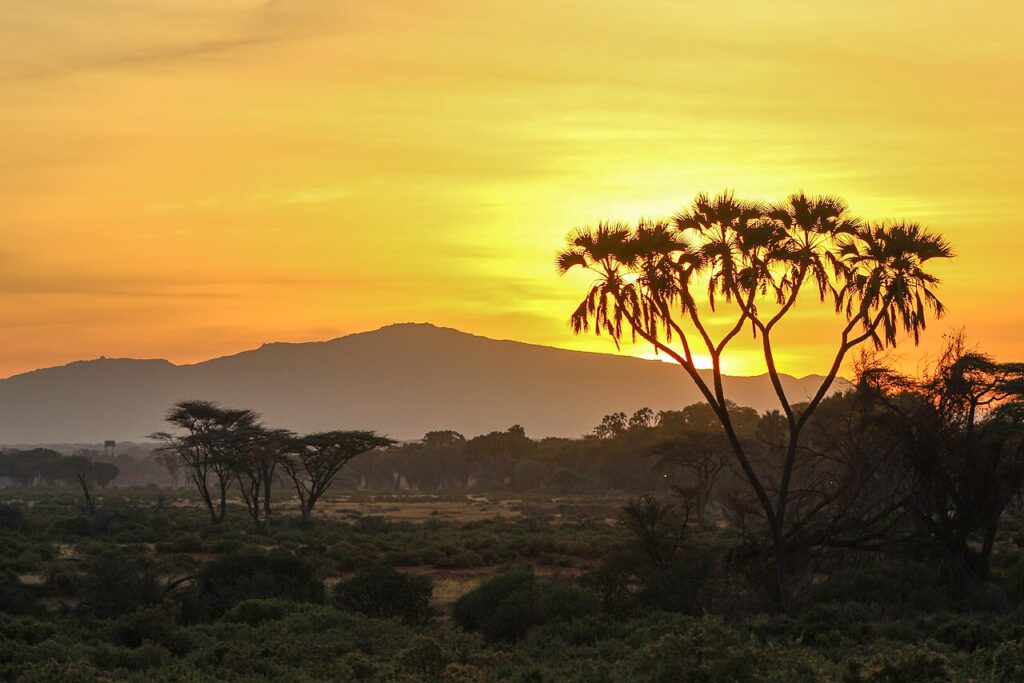
Kenya Travel Guide
From Lion prides on the Mara plains to elephants walking beneath Kilimanjaro to a capital city with its own national park. Kenya practically invented the safari, and it’s still one of the best places on earth to take one.
Why Visit Kenya?
Here’s the thing about Kenya: no other country packs this much wildlife, landscape, and coastline into one trip. In two weeks you can watch lions hunt on the Maasai Mara, photograph elephants in front of 5,895 m (19,341 ft) Kilimanjaro from Amboseli, ride a modern train across savannah where giraffes graze beside the tracks, and end up barefoot on the white sand of Diani Beach. The distances are real, but internal flights are short and cheap, and the safari infrastructure is the most developed in Africa.
The numbers back this up. Kenya welcomed 2.7 million international visitors in 2025, up 9% on the previous year and well above the global growth average. That’s according to the Ministry of Tourism and Wildlife’s 2025 Tourism Sector Performance Report. ⏱ The United States is Kenya’s top overseas source market, and the sector earned roughly KSh 500 billion (about $3.8 billion) in 2025. ⏱ All that traffic means real choice: hundreds of camps and lodges at every price point, well-run national parks, and guides who are among the best trained on the continent.
Kenya works for more traveller types than people expect. First-time safari-goers get the classic circuit, and our 12-day itinerary below maps it out day by day. Families like Amboseli and the coast, honeymooners book the Mara conservancies, and budget travellers can genuinely do Kenya using the SGR train, matatus, and public campsites. Solo travellers, including women, visit in large numbers too. We cover the practical side honestly in the safety section below. Start with the essential destinations, then use the seasonal guide to time the Great Migration.
Quick facts
| Capital | Nairobi |
| Time zone | UTC+3 (East Africa Time), no daylight saving |
| Currency | Kenyan Shilling (KES) |
| Visa (US/UK/EU) | No visa (a $30 ETA valid for stays up to 90 days is required) |
| Region | East Africa |
| Best months | March–May and September–November |
Kenya’s essential destinations
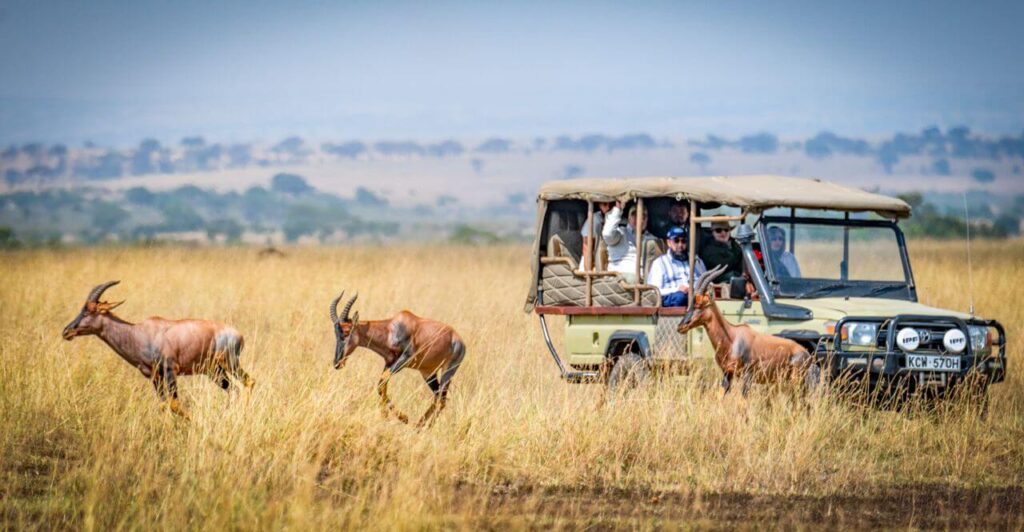
Maasai Mara National Reserve
Kenya’s flagship reserve and the stage for the Great Migration, when over 1.5 million wildebeest cross from the Serengeti between July and October.
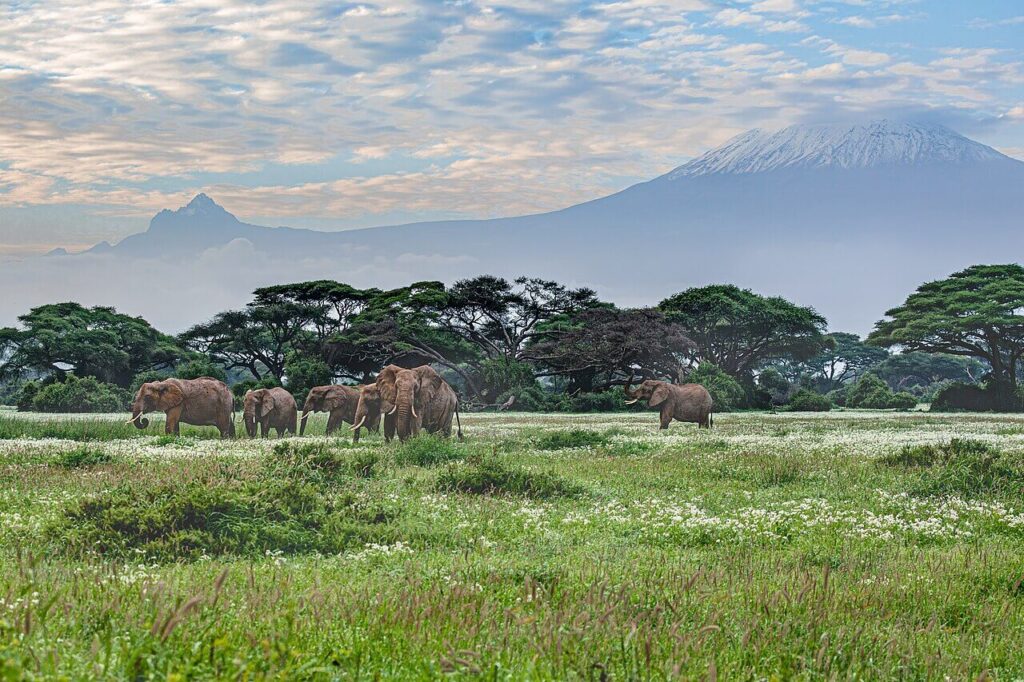
Amboseli National Park
Big-tusked elephants walking in front of Mt. Kilimanjaro, Africa’s highest mountain, just across the Tanzanian border.
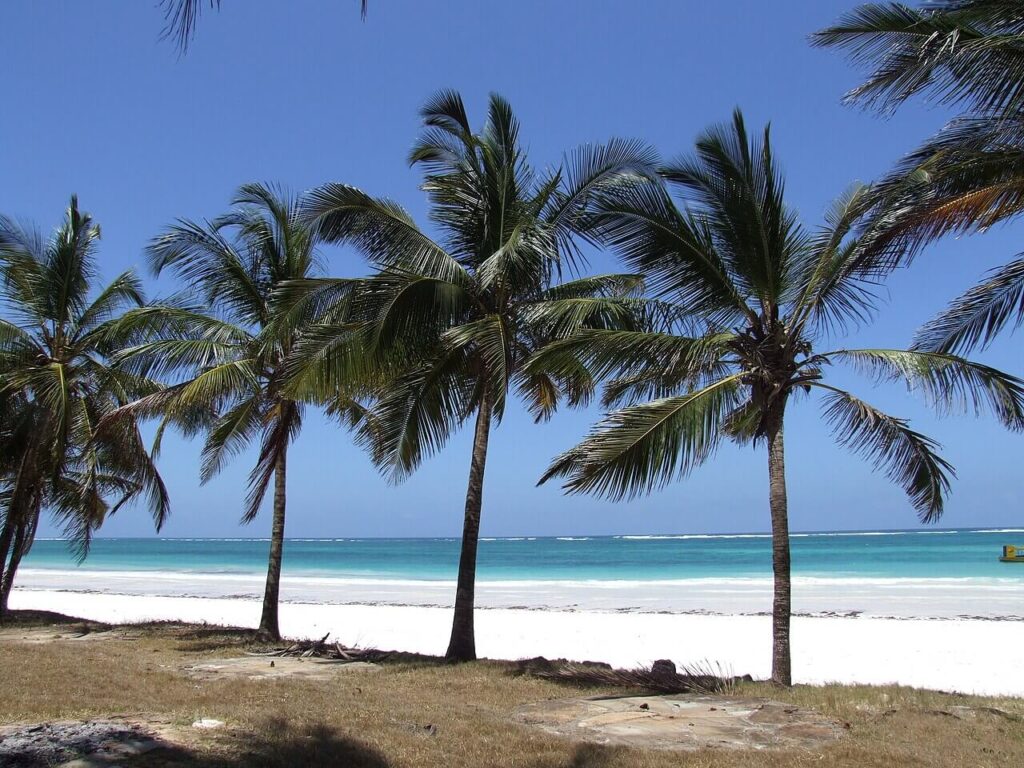
Diani Beach
A stretch of white sand and turquoise water south of Mombasa, and the standard way to end a Kenyan safari.
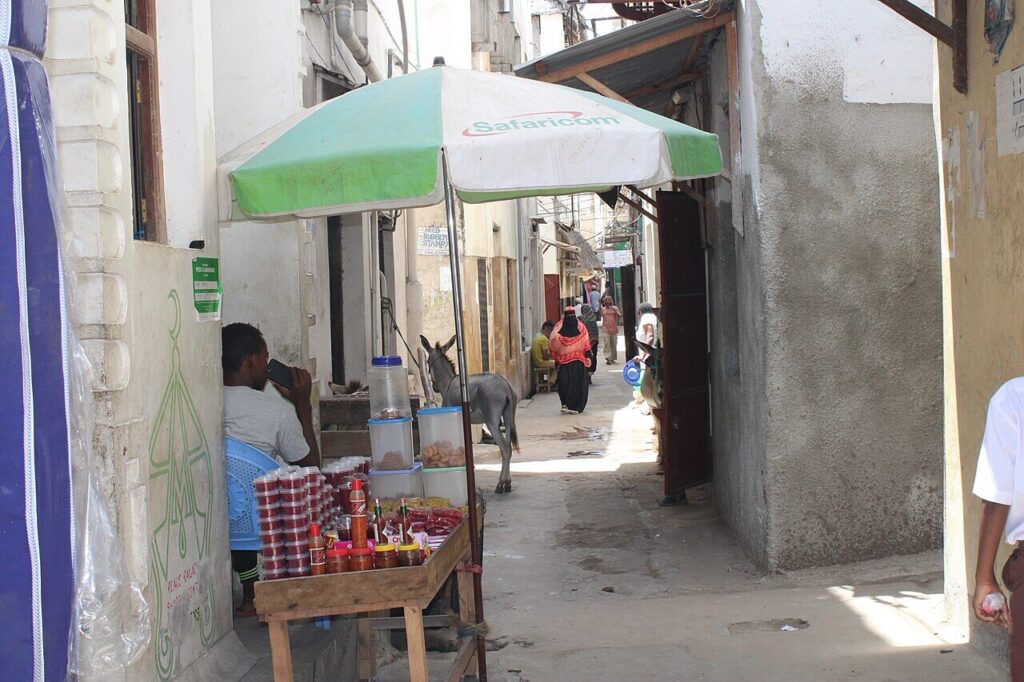
Lamu Old Town
East Africa’s oldest continuously inhabited Swahili settlement, founded around the 14th century and now a UNESCO site.
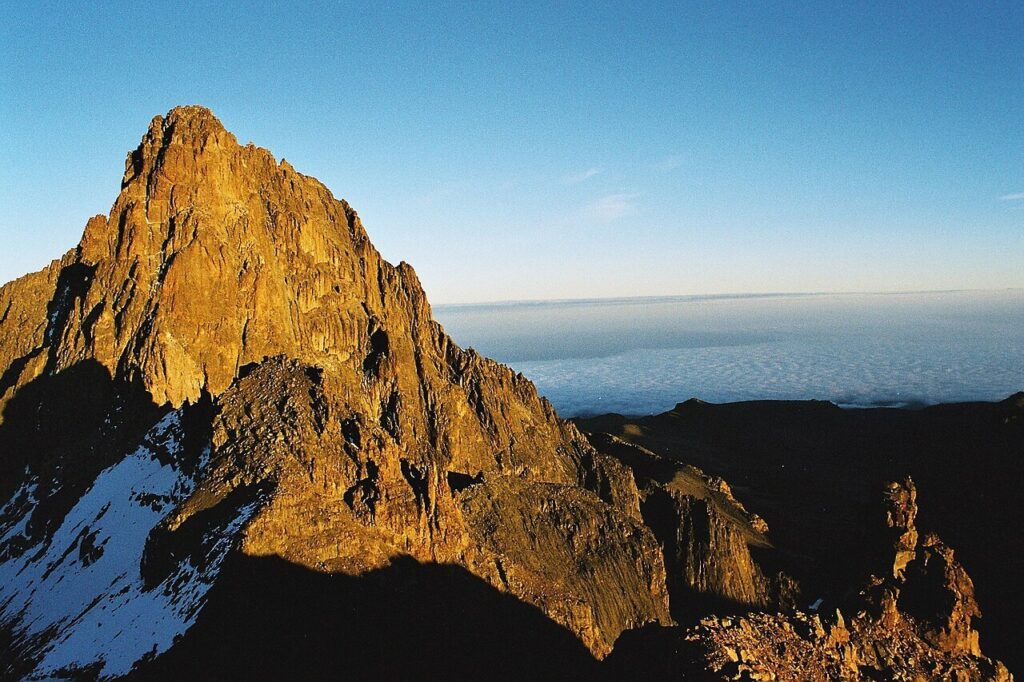
Mount Kenya
Africa’s second-highest mountain, a UNESCO site, and a serious trekking destination that gets a fraction of Kilimanjaro’s crowds.
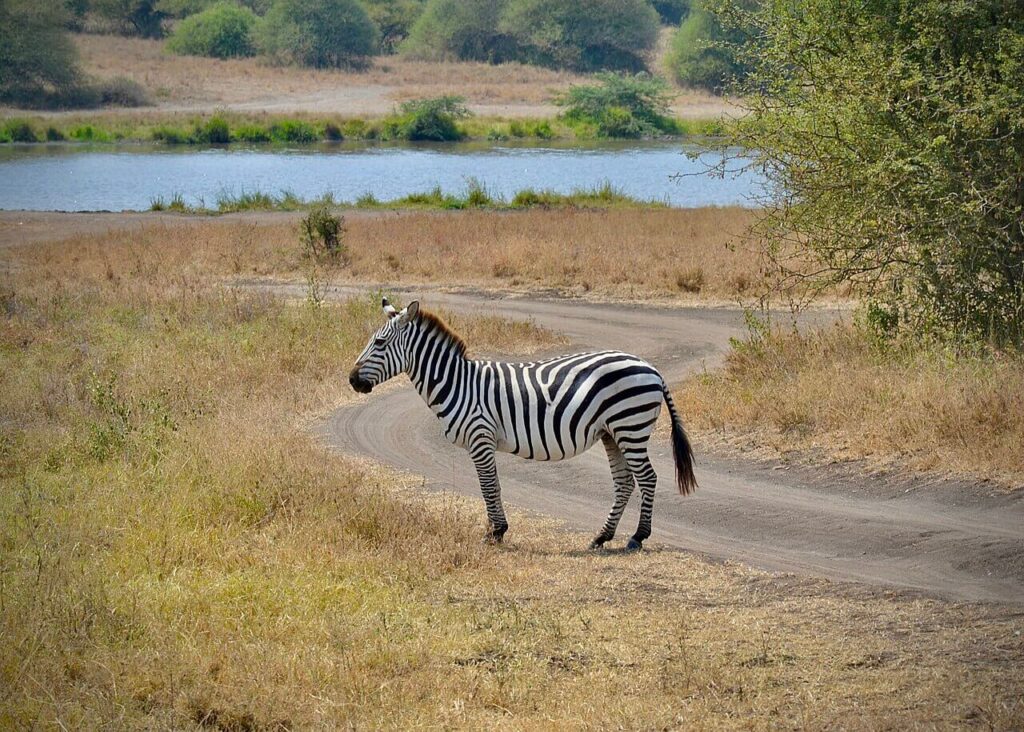
Nairobi National Park
The only national park in the world inside a capital city with lions, rhinos, and giraffes grazing against the backdrop of skyscrapers.
Browse all Kenya attractions
Best time to visit Kenya
Kenya runs on dry and wet seasons, not the four seasons you might be used to. The two dry windows, July to October and January to February, are the safari sweet spots, and July to October is when the Great Migration is in the Mara.
The long rains from March to May are the low season: some lodges close, roads get muddy, but prices drop hard, and the landscape turns green. The short rains in November and December are lighter and rarely ruin a trip. One thing to know: the Mara’s park fees double from July onward, so timing affects your budget as much as your sightings.
Is Kenya safe?
Kenya is a well-trodden destination that hosts millions of visitors a year, and the safari circuit and coastal resorts are generally trouble-free. The US State Department places Kenya at Level 2 (“exercise increased caution”), and both US and UK advisories only warn against specific areas near the Somalia border that are nowhere near the tourist routes.
That said, Nairobi asks for normal big-city awareness. The issues travellers actually encounter are phone snatching, pickpocketing in crowded areas, and occasional bag grabs from open car windows. All of these could be managed by keeping your phone out of sight on the street, using Uber or Bolt instead of walking at night, and leaving valuables in your hotel safe.
Out on safari and on the coast, the picture is much more relaxed. Lodges and camps are secure, guides handle the logistics, and Diani’s beach strip is used to international visitors. For solo women, Kenya is one of the easier African countries to travel in, and hassle is generally lower-key than in North Africa.
For emergencies, here are the numbers you need: 999 or 112 (police, ambulance, and fire). Make sure you save your safari operator’s and hotel’s numbers on arrival, as they’re usually the fastest way to get help resolved.
Expert travel tips for Kenya
Sort your eTA before you fly
Kenya scrapped visas, but every visitor needs a $30 Electronic Travel Authorisation, applied for online at etakenya.go.ke. Processing officially takes up to 3 working days, so don’t leave it to the last minute. There is no visa on arrival.
Budget park fees separately
They’re the hidden cost of a trip to Kenya. The Maasai Mara charges non-residents $100 per day from January to June and $200 per day from July to December, paid per person. Other parks are cheaper, but it adds up fast.
Time the migration properly
The herds are usually in the Mara from July to October, with river crossings peaking August to September. Nothing is guaranteed; it’s nature. Book 6–12 months ahead for those dates, or come in February for great wildlife without the crowds.
Carry some cash and get M-Pesa-ready
Kenya runs on mobile money, and cards work fine in hotels and malls. Keep shillings for markets, tips, and small towns. If you bring US dollars for safari payments, bring newer bills, as older or marked notes are often refused.
Take the train, fly the long hops
The SGR train makes Nairobi to Mombasa easy and fun. For Nairobi to the Mara, a 45-minute flight beats a 5–6 h drive on rough roads, and it’s often worth the extra cost on a short trip.
Plan for malaria and vaccines
The coast and the safari parks are malaria zones, so speak to a travel clinic about prophylaxis before you go. A yellow fever certificate is required if you’re arriving from a country where the disease is present.
Tip your guide properly
Safari guides make the trip, and tipping is expected: around $10–20 (1,300–2,600 KES) per guest per day for a driver-guide, and $5–10 (650–1,300 KES) per day for camp staff via the tip box. Keep small notes handy.
FAQs

Book your Kenya trip
From Lion prides on the Mara plains to elephants walking beneath Kilimanjaro, tell us what you’re dreaming of, and we’ll point you to the right tours, stays, and routes.